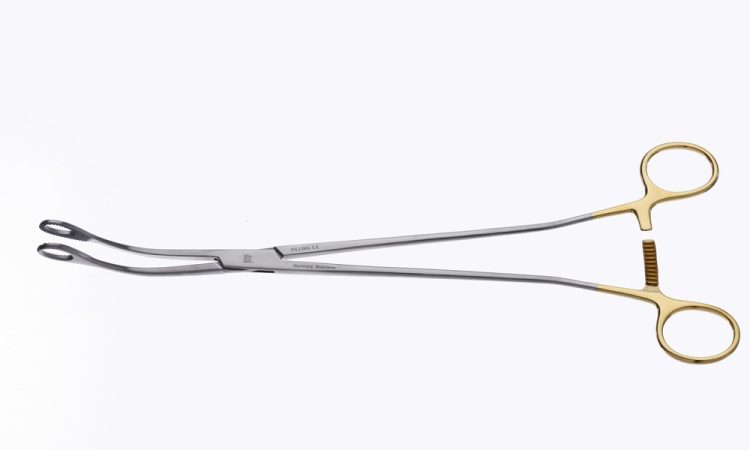
Key Takeaways
Choosing the correct ring forceps is crucial for successful surgical outcomes, as the right tools enhance precision and reduce complications. Selecting forceps tailored to specific surgical specialties is vital for effective tissue manipulation.
The alignment of forceps with surgical techniques impacts success; factors like tissue type, grip pressure, and surgical approach should be carefully considered. Matching the right tool to the technique ensures optimal performance during surgery.
Cleaning and sterilization are distinct processes; cleaning removes surface contaminants while sterilization eliminates microbial life. Understanding this difference is essential for maintaining patient safety.
Proper care and maintenance of ring forceps extend their lifespan. Regular inspections, proper storage, and adherence to usage guidelines are necessary to avoid damaging tools during surgical procedures.
Mastering grip pressure with ring forceps is critical; too much pressure can damage tissue, while too little can compromise grip. Practicing precise grip techniques leads to better surgical outcomes.
Outdated surgical equipment can lead to increased risks during procedures, such as reduced precision and longer operating times. Investing in modern tools is essential for maintaining high surgical standards.
Training for surgical teams is non-negotiable; regular training on tools and techniques is essential for maintaining skill levels and ensuring procedural efficiency. Knowledge and confidence in using equipment greatly enhance surgical precision.
Are You Using the Right Ring Forceps for Your Specialty?
The Impact of Forceps Choices on Surgical Outcomes
Picking the right ring forceps isn’t just about aesthetics or brand loyalty-it’s a pivotal decision that can make or break a surgical outcome. Different specialties require specific tools that cater to their unique demands. I can’t stress enough how often I’ve seen someone use the wrong forceps in the operating room. It’s a recipe for disaster.
So, what’s at stake here? The right tools enhance precision, reduce unforeseen complications, and ultimately elevate patient outcomes. Can you afford to compromise on this? Absolutely not.
Take a look at the various options:
- Delicate forceps: Ideal for intricate procedures.
- Heavy-duty forceps: Essential for more substantial tissue manipulation.
- Curved vs. straight: The curvature determines accessibility in tight spots.
The bottom line? Your choice affects everything-the technique, the time on the table, and the patient’s road to recovery. Make informed selections based on what you really need.
Matching Forceps to Surgical Techniques: What You Need to Know
Here’s the deal: not all surgical techniques align with every type of ring forceps. It’s physics, really-lever mechanics, angles of approach, and desired grip pressure all impact your success. Have you considered how the **forceps align with your procedure’s requirements**? It’s more than just a tool; it’s a surgical partner.
When you match the right forceps to a technique, you’re setting yourself up for high-octane performance. Want some key points to remember?
- Assess the type of tissue: Soft, hard, or something in between?
- Consider the required grip: Is a gentle touch needed, or do you need something more aggressive?
- Look at your surgical approach: Are you coming from above, below, or the side?
It’s a chess game, folks. Consider every move, or you risk losing the match before it even starts.
Common Errors in Maintaining Your Ring Forceps
Cleaning vs. Sterilization: What’s the Difference?
Let’s clear something up. Cleaning and sterilization may seem interchangeable, but they’re not. It’s a big deal. I’ve seen surgeons assume all rings come out clean after a cycle. Spoiler: not true. Cleaning removes visible contaminants, while sterilization obliterates microbial life. Think of cleaning as a surface polish and sterilization as nuclear-level obliteration.
“Cleaning and sterilization aren’t synonymous. Know the difference. Your patients depend on it.”
Here’s how to keep your forceps in top-flight condition:
- Use enzymatic cleaners post-procedure.
- Follow with proper sterilization techniques-autoclaves work if you use them right.
- Regularly inspect for damage, rust, or other signs of wear.
Ignoring these vital steps could turn your best tool into a liability. Don’t let your grip slip.
Avoiding Wear and Tear: Tips for Longevity
We’ll get into the nitty-gritty: the wear and tear of ring forceps isn’t just a trivial issue; it can be catastrophic. Ever fumbled during a critical moment because your forceps slipped? Painful, right? Here’s how to prolong the life of your tools.
- Store them properly-secure in a designated case.
- Only use on materials they’re designed for: No shortcuts here.
- Perform regular maintenance checks-swap out parts if needed.
Bottom line? Treat your gear like a quarterback treats the football. Every detail counts.
Mastering Ring Forceps: Techniques You Might Be Ignoring
Grip Pressure: The Secret to Precision
If there’s one aspect of using ring forceps that’s often neglected, it’s grip pressure. Think about it: too much pressure can crush delicate tissue; too little, and you’ll risk losing your hold. It’s a balancing act that could literally mean life or death. What do you do about this?
Mastering grip pressure involves:
- Practicing on non-vital materials to find the sweet spot.
- Paying attention to feedback from the tissue rather than just your own sensations.
- Adjusting based on real-time conditions-surgery is dynamic!
Grip isn’t just a mechanical issue; it’s almost philosophical. Are you reacting to the moment, or are you stuck in your head? Your hands need to be a natural extension of your intention.
Using Forceps in Challenging Scenarios: Tips from the Pros
Here’s a fact: surgical scenarios can get tricky, complex, and downright chaotic. It’s in these moments that every seasoned pro shines. Knowing how to manipulate your ring forceps effectively can turn a wild situation into a controlled environment.
- Hold your forceps at an appropriate angle-aim for around 45 degrees; it makes a difference.
- Utilize the locking mechanism wisely-don’t overdo it.
- Practice visualization techniques before heavy-duty procedures-mental prep matters!
You can cut your stress and boost efficiency by committing to practice and embracing expert tips. After all, perfection isn’t just a goal; it’s an ongoing pursuit.
How to Avoid Costly Mistakes with Ring Forceps
The Hidden Costs of Dated Equipment
Are you using equipment from the stone age? Outdated surgical tools can turn a dream into a nightmare. It’s not just about aesthetics; we’re talking about functionality. You can’t afford to be on a first-name basis with obsolescence. What happens when you perform a delicate procedure with vintage gear?
Here’s what to watch out for:
- Reduced precision: Old forceps don’t perform like they once did.
- Increased operating time: If your gear isn’t up to par, you’re essentially dragging your feet.
- Higher risk of complications: Trust me, you want to sidestep that landmine.
Investing in new tools can feel daunting, but when everything’s on the line, can you afford not to? Not all heroes wear capes-some invest in quality equipment.
Training Your Team: Why It Can’t Be Overlooked
Here’s a hot take: No matter how snazzy your gear is, it’s useless without proper training. **Training your team isn’t optional; it’s non-negotiable.** You wouldn’t send someone into a fight with no training, so why do it here?
Let’s break this down for effectiveness:
- Regular training sessions on the latest techniques and tools.
- Interdisciplinary workshops to understand the nuances of various specialties.
- Regular refresher courses to maintain skill levels.
When your team’s educated, your procedures flow seamlessly. Knowledge breeds confidence. Confidence leads to surgical precision.
Final Thoughts
Don’t let mistakes with ring forceps cost you precision. Take these insights to heart, revamp your approach, and arm yourself with knowledge. Your practice and your patients deserve nothing but the best.
FAQ
Can using the wrong type of ring forceps ever lead to legal issues?
Absolutely. Using inappropriate tools can result in surgical errors, leading to complications or poor outcomes that might kick off a malpractice suit. It’s a risk nobody should take if they care about patient safety.
What’s the best material for ring forceps?
Stainless steel is the gold standard-durable, easy to clean, and resistant to corrosion. Some might tout titanium for its lightweight and strength, but you need to weigh that against cost and the specific application.
How often should surgical teams train on ring forceps?
Regular training isn’t just beneficial; it’s a game changer. I’d recommend quarterly refresher courses to keep everyone sharp, plus more frequent hands-on sessions as new tools or techniques come into play.
Do different surgical specialties require specialized training for forceps?
You bet. Each specialty has unique demands and techniques that require tailored training. A general surgeon isn’t going to wield forceps the same way an orthopedic surgeon does, so specialized insight is crucial.
How can I ensure my forceps stay sharp and effective?
Routine maintenance is key-regularly inspect for wear and tear, follow proper cleaning protocols, and store them correctly. Investing in proper sharpening techniques can also keep them performing at their best.
Can I use ring forceps for non-surgical applications?
While it’s not common, some folks do use them in labs for delicate handling. Just make sure you understand their intended use-if you stray too far from surgical protocols, you’re asking for trouble.
What do I do if my forceps start to rust?
If you notice rust, don’t wait for it to get worse. Clean them immediately and perform thorough maintenance. If the rust is extensive, it’s time to retire those tools-keep safety above all else.
Is there a difference between disposable and reusable ring forceps?
Definitely. Disposable are convenient but often lack the precision and strength of reusable ones. Reusables can be more economical long term, as long as they’re maintained properly; each option has its place depending on the situation.