
Composite Resin, Acrylic, and PMMA in Dental Restoration: Choosing the Right Material for Each Application

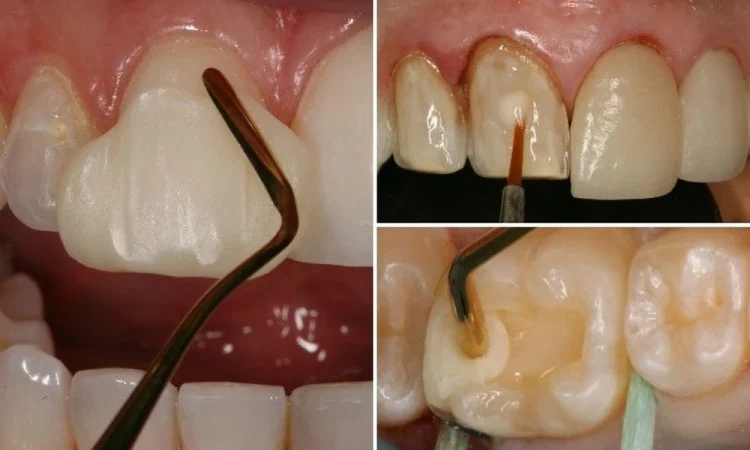

The category of tooth-colored polymer-based dental materials covers a range of distinct products with genuinely different properties, indications, and processing requirements. Using the terms composite resin for teeth, acrylic resin for dentures, and PMMA teeth interchangeably, as if they describe the same class of material in different contexts, produces misunderstandings that lead to material selection errors in both laboratory and clinical settings. Understanding the actual distinctions between these material categories, and the specific indications each serves best, is foundational knowledge for any dental professional or technician making material selection decisions.
Composite Resin for Teeth: The Direct Restorative Category
Composite resin for teeth in the clinical context refers primarily to the light-cured, resin-matrix composites used for direct restorations placed chairside: Class I and II posterior restorations, anterior bonding and veneering, incisal edge build-ups, and composite bonding for esthetic enhancement. These materials consist of a resin matrix, typically a blend of methacrylate monomers, combined with inorganic filler particles that provide radiopacity, compressive strength, and the ability to be polished to a smooth, stain-resistant surface.
Dental bonding resin is a related but distinct category, referring to the lower-viscosity resin systems used to adhesively bond composite restorations, ceramic veneers, and orthodontic brackets to tooth structure rather than to build up tooth form directly. The distinction between the bonding resin and the restorative composite matters clinically because the two materials serve different functions in the adhesive restoration system and must be selected and applied appropriately to achieve reliable long-term bond strength.
Acrylic Resin for Dentures: The Traditional Prosthetic Standard
Acrylic resin for dentures refers to the polymethyl methacrylate-based materials used for denture base fabrication, the tooth-bearing structure that distributes occlusal forces to the edentulous ridge. Conventional heat-cured PMMA denture base resin, polymerized in a flask under heat and pressure, has been the standard denture base material for decades due to its dimensional stability, adequate mechanical properties, natural-appearing tissue color options, and ease of laboratory processing with established equipment and techniques.
The term PMMA teeth refers to the prefabricated prosthetic teeth set into denture bases, which are also produced from cross-linked PMMA or composite-reinforced acrylic. The quality of PMMA teeth varies considerably between manufacturers in terms of color stability, wear resistance, and the naturalness of their optical properties, and this variation has a direct effect on the appearance and durability of the finished prosthesis.
PMMA in CAD/CAM: The Digital Prosthetics Material
In modern CAD/CAM dental laboratory production, PMMA dental materials in disk form serve a different role from the heat-cured materials used in conventional denture fabrication. Milled PMMA disks are used for provisional crown and bridge restorations, for full-arch provisional prostheses in implant rehabilitation cases, and for diagnostic restorations used to verify design parameters before definitive prosthesis fabrication. The material’s machinability, adequate mechanical properties for provisional use, and predictable color and shade behavior make it well-suited to the high-volume, digitally-driven production environment of the modern dental lab.
Selecting the Right Material for Each Indication
The selection between composite resin, acrylic resin for dentures, and PMMA dental materials is not a matter of preference but of clinical indication. Direct composite restorations require chairside-placed, light-cured composite. Removable prosthetics require heat-cured or pressure-cured acrylic denture base resin. CAD/CAM provisional restorations require milled PMMA. Each material category has been developed and optimized for its specific application, and substituting one for another in an application it was not designed for produces predictable performance failures regardless of the brand or quality level of the specific product.
For US dental labs sourcing across multiple polymer-based material categories, access to a supplier who stocks the full range, from milled PMMA disks through prefabricated PMMA prosthetic teeth and dental bonding systems, with consistent domestic inventory and technical support, simplifies procurement without requiring the lab to manage separate supplier relationships for each material category.
____________________________________________________________________________________