Key Takeaways
At ABO Plasma, safety is a top priority. Stringent protocols are in place, featuring thorough health screenings and well-maintained equipment. Donors can trust that their well-being is central to the donation process.
Donating plasma at ABO Plasma is typically efficient, taking about 90 minutes in total. The actual donation lasts around 45 minutes. During this timeframe, donors can enjoy entertainment options and receive refreshments afterward.
Compensation varies with demand and promotions at ABO Plasma. Donors can earn cash or prepaid cards. This not only acknowledges their time but also motivates ongoing participation.
Plasma is a key component in treating various health conditions. Donations are crucial for surgeries, managing autoimmune diseases, and aiding patients during emergencies.
Stories from plasma donation recipients are powerful and highlight the significant impacts that donations can have. These narratives help to build a connection between the donors and the recipients they assist.
For first-time donors, preparation is crucial. Staying hydrated and consuming iron-rich foods before the appointment enhances the donation experience and its outcomes.
ABO Plasma actively fosters community involvement through health fairs and educational initiatives. These efforts raise awareness and emphasize the importance of plasma donation, all while nurturing a supportive donor network.
Why Choose ABO Plasma for Your Donation Experience?
Unmatched Safety Standards Ensuring Your Well-Being
Safety is paramount in plasma donation, especially at ABO Plasma. Both patients and donors can feel secure knowing that stringent protocols guide the process. Each location employs staff trained rigorously to adhere to strict regulatory standards. Equipment is thoroughly sanitized, with donor health at the forefront. Every prospective donor undergoes an extensive health screening that covers health histories and physical assessments to ensure eligibility.
ABO Plasma utilizes state-of-the-art technology ensuring quality and safety in every donation. Regular inspections and maintenance keep the equipment in top shape. This proactive stance minimizes risks. Not only does this commitment safeguard donor wellbeing, but it also elevates the overall plasma donation experience. Many clients express that this dedication to safety fosters a sense of trust.
Streamlined Donation Process: What to Expect
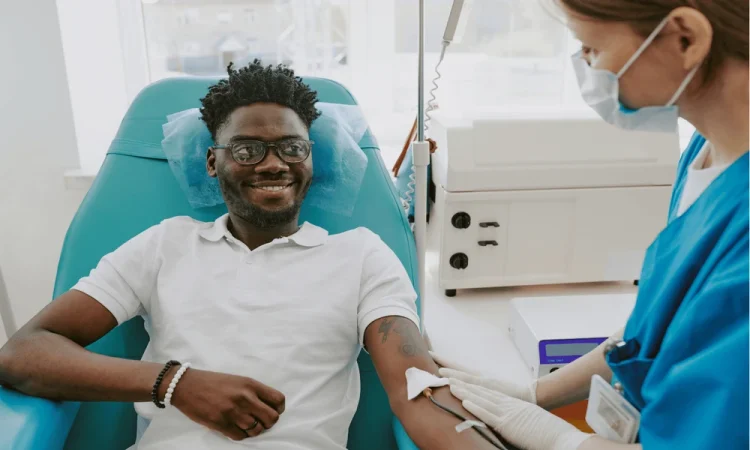
The donation experience at ABO Plasma is designed for both comfort and efficiency. From the moment a donor arrives, their experience is treated as a priority. Initially, donors fill out a straightforward registration that includes providing personal details and answering health-related questions. After registering, they’re guided through a brief orientation that highlights essential steps in the donation procedure.
On average, the donation process takes around 90 minutes, though this can fluctuate slightly depending on individual circumstances. Here’s a breakdown: following an initial health screening, the plasma donation itself typically requires about 45 minutes. Donors are encouraged to relax during this time, enjoying various entertainment options, whether it’s recreational reading or watching television. Refreshments are provided after the session to help everyone regain energy and hydration.
- Initial registration and health assessment
- Donation process lasting about 45 minutes
- Refreshments offered post-donation
This organized structure significantly enhances the overall donor experience. Many leave feeling fulfilled, not only from their contribution but also from the professionalism observed throughout the process.
Compensation Models That Make Donating Rewarding
Compensation structures often pique the interest of donors. ABO Plasma’s model reflects a respect for the time and effort put forth by donors. Each visit can yield compensation that fluctuates based on demand and available promotions. Some donors find they can earn a commendable stipend per session, accumulating to a substantial amount over the month.
Compensation options typically include either cash or prepaid cards, providing flexibility for immediate use or saving for later. This practical incentive illustrates ABO Plasma’s commitment to recognizing and valuing their contributors.
“Every drop of plasma donated can save up to three lives.” This impactful statement resonates strongly with everyone who chooses to donate.
Moreover, during special promotional periods or once donors reach specific milestones, additional bonuses may be made available, which encourages ongoing involvement. The structure of compensation often serves as an encouragement for first-time donors, allowing them to see the direct benefits of their altruism.
Transform Lives: The Impact of Your Plasma Donation
How Plasma Saves Lives: Understanding Its Medical Uses
Grasping the medical significance of plasma offers a richer understanding of the donation process. Plasma is packed with vital components such as clotting factors and immunoglobulins, essential in treating numerous health issues. Hospitals regularly use plasma to assist patients facing challenges like hemophilia or severe burns. Plasma donations are vital for patients requiring transfusions during surgeries or therapeutic procedures.
Experts emphasize plasma’s role in alleviating suffering during crises. It’s instrumental in managing autoimmune diseases and fighting severe infections. Current research indicates a consistent rise in the demand for plasma-derived products. This growing need highlights the necessity for sustained plasma donations.
Real Stories: Recipients Who Benefit from Donations
Nothing communicates the true impact of plasma donations like the stories from those who receive it. One recipient, benefiting from plasma therapy for a rare blood disorder, shared how a transfusion transformed their life. “I had been dealing with crippling symptoms that prevented me from functioning. The moment I got that plasma, everything changed,” this individual shared. Such heartfelt accounts humanize the often-abstract realm of medical treatments.
Healthcare professionals consistently affirm that every plasma donation impacts lives significantly. Families of recipients frequently thank donors, expressing gratitude and appreciation. A deep connection forms between givers and receivers, with stories of survival and recovery highlighting the critical nature of plasma donation.
- Improving infection treatment outcomes
- Supporting patients with chronic health conditions
- Essential for emergencies requiring transfusions
These tales reinforce the idea that one act of kindness can profoundly resonate. Every donor contributes to a legacy of healing and hope.
Maximizing Your Donation Journey: Tips for First-Timers
Preparing for Your Plasma Donation: Essential Guidelines
First-time donors often seek guidance on proper preparation. Getting ready for a plasma donation can truly make a difference. Preparation isn’t just mental; it’s physical too. Staying hydrated is essential. Drinking ample water in the days leading up to the donation makes veins more accessible.
A nutritious meal before the appointment is beneficial as well. Foods rich in iron, like leafy greens and legumes, enhance donation experiences. However, it’s important to steer clear of high-fat foods immediately before donating since they can affect plasma quality. Preparation leads to a smoother experience.
- Hydrate well before your appointment
- Consume iron-rich foods
- Avoid fatty foods prior to donation
This brief checklist helps ensure everything runs without a hitch. Many first-time donors discover that being emotionally prepared also helps boost their confidence.
Post-Donation Care: Ensuring a Smooth Recovery
After donating plasma, individuals might be uncertain about which post-care practices to follow. Recognizing the importance of recovery is vital to feeling rejuvenated afterward. Rest is crucial. Most facilities suggest a brief rest period post-donation followed by light physical activity.
Some pain may arise at the donation site, though it typically lessens over time. Managing any discomfort can be achieved with ice packs and over-the-counter pain relievers. Additionally, donors need to keep hydrated to replenish fluids lost during the donation process. Following these practices can speed up recovery and promote general wellbeing.
- Rest post-donation to encourage recovery
- Use ice packs for any discomfort
- Hydrate to replenish lost fluids
Adhering to these guidelines greatly improves the donor experience. Contributors can leave feeling valued for their contributions and ready for the next donation.
Be Part of Something Bigger: Community Engagement at ABO Plasma
Local Initiatives and Events Promoting Plasma Donation
ABO Plasma is dedicated to community initiatives that amplify the message of plasma donation. From health fairs to educational campaigns, the goal is to instill the importance of plasma donation into local communities. Awareness events play a pivotal role in attracting new potential donors. Well-organized initiatives facilitate individuals taking steps toward becoming plasma donors.
Partnering with local healthcare organizations enhances these efforts. For instance, outreach programs at schools and universities help educate young people about plasma’s significance and motivate their families to donate. Engaging sessions often aim to address common misconceptions, not only raising awareness but also cultivating a culture of charitable giving within the community.
“Every donor has the potential to change lives.” This sentiment rings true across many local initiatives.
- Health fairs to raise awareness
- Educational sessions targeting misconceptions
- Collaboration with local healthcare partners
Such endeavors contribute to building a thriving community around plasma donation, creating a solid foundation for future efforts.
Building Lasting Relationships: Connecting with Donor Family
ABO Plasma values not only the act of donating but also the relationships fostered within the donor community. Upon donating plasma, individuals typically receive an invitation to join a donor family. This network encourages connections among donors, cultivating a supportive environment.
Through social media and community events, donors have the chance to interact and share their experiences. This sense of belonging significantly reinforces the importance of their contributions. Many people share their stories and practical tips, enriching the overall atmosphere for newcomers and seasoned donors alike.
- Opportunities for engagement through events
- Supportive social media groups for donors
- Sharing personal experiences enhances community
This spirit of unity amplifies positivity surrounding plasma donation, evolving it beyond an act of individual kindness. Instead, it transforms into a collective goal of healing and support.
The plasma centers in san diego provide a vital service to the community, with ABO Plasma exemplifying this commitment. With rigorous safety standards, an efficient donation process, and an emphasis on community engagement, individuals have every incentive to get involved. Moreover, the lives transformed through donations highlight the significance of each drop contributed. Donors become community heroes, influencing countless lives with each donation.
FAQ
Can anyone donate plasma, or are there specific requirements?
Individuals interested in donating plasma must satisfy particular eligibility requirements, including age, weight, and health conditions. Generally, donors should be at least 18 years old, weigh a minimum of 110 pounds, and successfully pass a comprehensive health screening for safety.
How often can someone donate plasma at ABO Plasma?
The frequency for plasma donations depends on local regulations. In the U.S., individuals can typically donate plasma up to twice a week. It’s crucial for donors to allow enough recovery time between donations to maintain their health.
What types of activities are available to keep donors entertained during the donation?
While donating, ABO Plasma offers various entertainment options for donor engagement. Common choices include television shows, movies, and reading materials. These activities enhance the experience, making the 45-minute donation process feel shorter and more enjoyable.
Are there specific foods or beverages that can enhance the donation experience?
Certainly. Consuming foods rich in iron and vitamin C is advised to optimize the donation experience. Leafy greens, beans, nuts, and citrus fruits support maintaining iron levels, while staying hydrated with water or electrolyte drinks is essential for a successful donation.
What should donors do if they experience discomfort after donating?
Should discomfort occur following donation, donors can easily manage it with plenty of rest and applying ice packs to the donation site. Over-the-counter pain relievers are also useful. Staying well-hydrated is vital for recovery, as it helps replenish lost fluids and promotes faster healing.
How does ABO Plasma ensure the quality of donated plasma?
ABO Plasma follows stringent quality control measures throughout the donation journey. Regular maintenance and inspection of equipment, along with detailed health screenings for donors, ensure both safety and quality. Each step taken is meticulously crafted to comply with industry standards.
What kind of community engagement activities does ABO Plasma offer?
ABO Plasma actively organizes health fairs, educational campaigns, and outreach events in partnership with local healthcare organizations. These initiatives raise awareness of plasma donation and foster bonds within the community, highlighting the importance of contributing to this crucial cause.
Are first-time donors treated differently during the donation process?
First-time donors usually receive personalized attention to help alleviate any concerns. Staff at ABO Plasma provide a detailed orientation regarding the process, ensuring newcomers feel supported and comfortable throughout their visit, which ultimately enriches the overall experience.
Useful Resources
- American Red Cross: Resource on blood and plasma donation processes, safety standards, and community involvement.
- America’s Blood Centers: Organization providing information on blood donation and its critical impact on community health.
- National Institutes of Health (NIH): Source for health-related research, including the medical uses of plasma and advances in related therapies.
- ScienceDirect: Access to research articles regarding the medical applications of plasma and its components.
- Plasma Resources: Informative platform on the significance of plasma and its role in modern medicine.
- U.S. Food & Drug Administration (FDA): Official regulations and safety guidelines regarding plasma donation and collection.
- Healthline: Thorough articles on health topics related to donations, donor health tips, and personal stories.
- Plasma Alliance: Advocacy organization focusing on raising awareness about plasma donation and patient needs.