Sand is a versatile material that plays a critical role in various landscaping projects. From improving soil drainage to stabilizing pavers and creating smooth play areas, selecting the right type of sand is essential for function and longevity. Whether you’re sourcing materials from a trusted landscape supply in Cumming, or planning a large-scale project, understanding and types can help you make more informed choices.
Each variety of sand has unique characteristics and serves different purposes. Matching the right type with your landscaping goals is the key to achieving durability, appearance, and performance.
Common Sand Types and Their Uses
Landscaping professionals often work with several primary sand types, each serving a specific function:
- Masonry Sand: This fine, clean sand is ideal for setting pavers and bricks. It compacts well and creates a smooth surface.
- Play Sand: Designed to be safe for children, this ultra-fine sand is washed and screened to eliminate debris.
- Concrete Sand: Coarser than masonry sand, it is typically used in mixing concrete and can provide stability beneath pavers.
- Fill Sand: Often used to fill holes or low areas, it provides bulk but is not suitable for structural applications due to its loose composition.
Knowing these distinctions can help ensure you’re using the most effective product for your specific needs.
Sand and Soil Enhancement
Sand can also improve soil structure in landscaping, particularly when managing drainage or aeration. When blended correctly, sand prevents water from pooling, which reduces the risk of root rot and other issues. For instance, projects that require better soil performance often benefit from professional insight, such as those involving reusing potting soil. In these cases, the type of sand added to the mix should be carefully considered to avoid soil compaction or nutrient loss.
It’s important not to assume all sand works the same. Selecting a clean, compatible sand blend is necessary when rejuvenating or improving existing soil conditions.
Sand in Drainage and Erosion Control
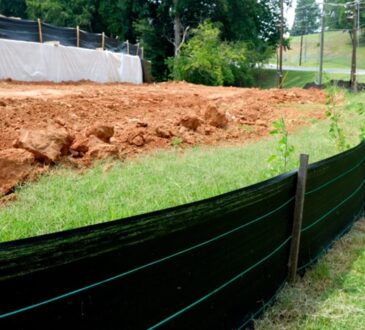
Drainage is one of the most common challenges in landscaping. Improper drainage can lead to erosion, foundation issues, or flooding. Using the right type of sand is essential for enhancing water flow in vulnerable areas. Projects that involve slope stabilization, retaining walls, or French drains often benefit from the structured use of coarse materials.
Understanding this is central to improving yard drainage systems with the right landscape supply materials, where sand serves not only as filler but also as a regulating layer to direct excess water away from critical zones.
Conclusion
When selecting sand for your landscaping needs, it’s crucial to consider its composition and purpose. Working with reputable landscape supply services ensures you get the appropriate type tailored to your specific application. From setting pavers to aiding drainage, each sand variety plays a specialized role. By choosing the right type, you protect the integrity of your project, reduce future maintenance, and support the overall health of your landscape design. With expert guidance and quality products, your landscape will not only look better but function more efficiently for years to come.